Sambucus nigra (Elderflower, Elder)
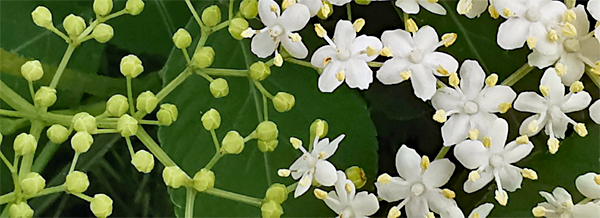
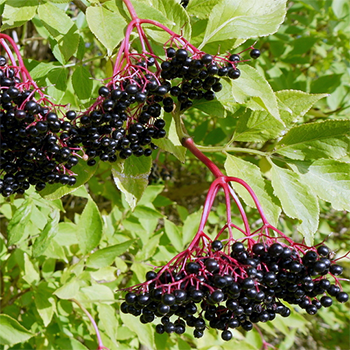
Elderflower is best known as a shortlived shrub or small tree and is commonplace. The flowers are abundant and distinctively fragrant, which translates well into the creation of cordials. The leaves are also distinctively pungent (unpleasant). This display is followed by masses of berries. Blossom and berries are good for for wine-makers, pollinating insects, birds, and mammals.
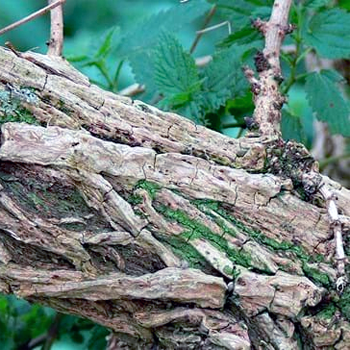
It is a very common and opportunistic shrub/tree but is much less successful under the dense canopy of Toll Wood. It is thriving better in the margins and scrub. The stem/trunk wood is entirely useless, corky, entangled; so, its value is solely as a food source and provision of cover and nesting opportunity.
If you intend to make cordial or 'champagne', these flower-heads should not be confused with cow parsley, cowbane, hemlock, pyracantha, red osier dogwood, rowan or hawthorn. Use the other features to help you - chaotic corky bark/stems, finely toothed spear-like leaves, pungent leaves, pleasantly aromatic flowers.
Biodiversity value: MEDIUM
It is not a long-lived tree, so less important for carbon sequestration. It grows anywhere it can get a foothold.
However, its abundant composite flower-heads and subsequent berries are an important mainstay for the general population of insects, birds and mammals. This places it firmly in that class of 'edging'/under-storey trees and shrubs that include hazel, blackthorn/sloe, and hawthorn (also brambles?). Part of the renewal of Toll Wood must include reinforcement of this girdle of food-rich, light-loving plants.