Tree bark in our environment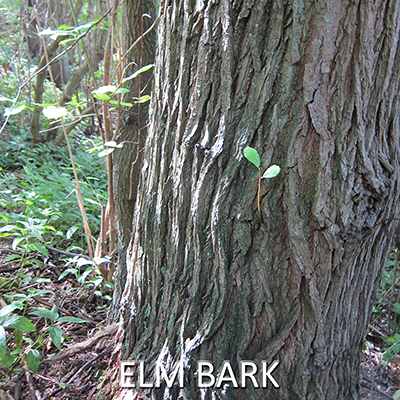
"Caulosphere" - the world of bark. Who knew?!
A New Scientist article (8th January 2026) got me thinking - "The bark of a single tree can be home to trillions of bacteria, and these microbes may have an important but neglected role in controlling greenhouse gases in Earth’s atmosphere."
"The total surface area of tree bark on the planet is thought to be around 143 million square kilometres, nearly as much as the world’s total land surface area. This surface makes up an immense microbial habitat known as the caulosphere, but the microbes that live there have received little attention from scientists."
The NS article is based on research reported in "Science Journal" (8th January 2026)...this shows a useful abstract of the research reported from Australia.
My 'take home' key points are:
- Tree bark globally covers ~143 million km², forming a vast microbial habitat called the caulosphere.
- Bark hosts extremely dense microbial life—over 6 trillion bacteria per m², similar to soil.
- Many bark bacteria belong to families like
- Acidobacteriaceae - involved in carbon, nitrogen, and sulphur cycling. Growth promoting.
- Mycobacteriaceae - persistent waxy cells that act to prevent dehydration.
- Acetobacteraceae - nitrogen-fixing properties
- Numerous species are previously unknown to science. Making research in this area important.
- These microbes can consume gases such as hydrogen (H₂), carbon monoxide (CO), and methane (CH₄).
- In oxygen-rich (aerobic) conditions, bark microbes act as a sink, removing these gases from the atmosphere.
- In low-oxygen (anaerobic) environments (e.g., submerged trees), they can switch to producing the same gases.
- Globally, bark microbes may remove 0.6–1.6 billion kg of hydrogen annually, up to ~2% of atmospheric H₂ uptake.
- Hydrogen cycling indirectly affects methane’s warming impact, so bark microbes may help mitigate climate change.
- Tree bark microbiota are metabolically flexible, adapting to environmental conditions and gas availability.
- Current findings are based on limited sampling (8 Australian tree species at this date), so global estimates remain uncertain.
- Interactions between bacteria and fungi in bark are still poorly understood and need further study. That said, lichens are formed by symbiosis between fungi and alga or cyanobacteria.
- Implication: Trees contribute to climate regulation not just via carbon storage, but also through microbial gas cycling on their bark.
Additional searches from other sources suggests much more.
- Microbes in bark and roots contribute to nutrient uptake by the tree itself, by making phosphates and nitrogen soluble.
- Disease suppression by bark microorganisms that inhabit plant tissues (bacteria and fungi) are in a mutually beneficial and harmless relationship throughout the life of a plant.
- A contribution to environmental stress tolerance - including drought, salinity and heavy metal contamination.
- Human health. These bacteria/microbes/fungi and their secondary metabolites are sources of unique bioactive compounds for pharmaceuticals (anticancer, antimicrobial, antidiabetic and antioxidant) and the food industry.
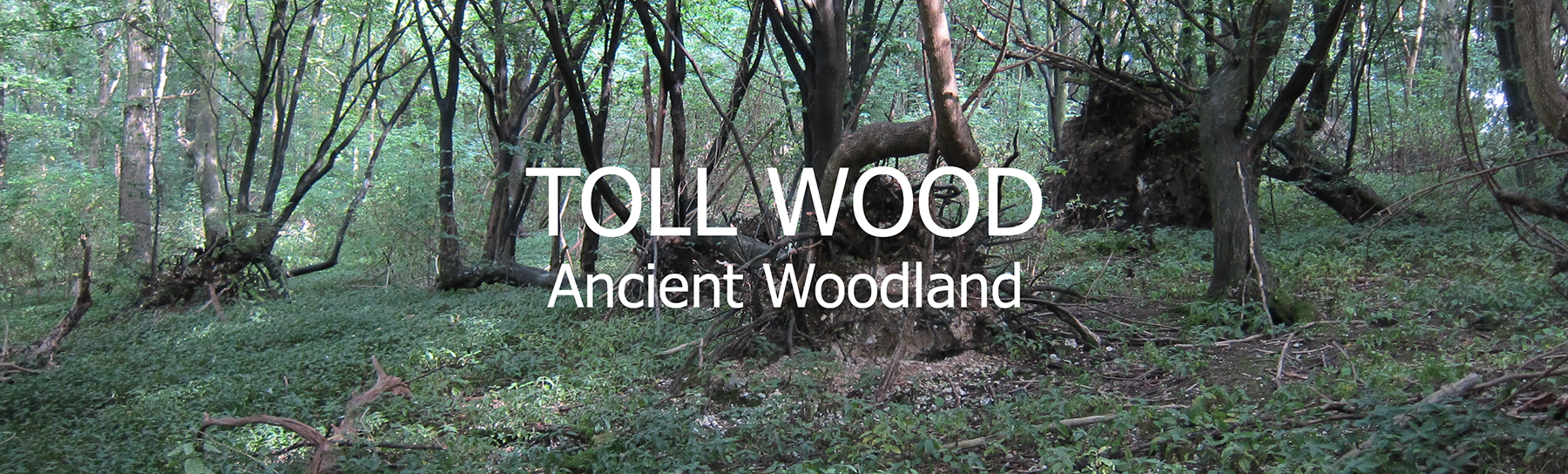
So, the next time you visit a tree, remember it may have answers to questions we are only beginning to ask. Awe inspiring. It may be that ancient woodlands hold an archive of hugely varied microbes - the same goes for veteran trees inside and outside woodland settings.